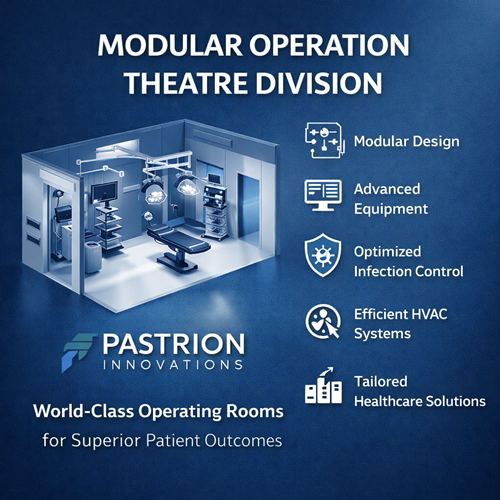
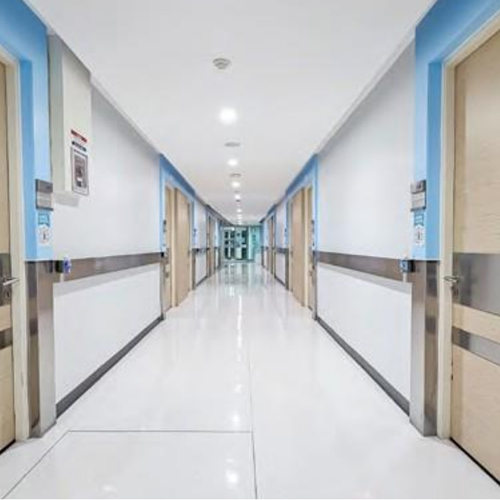
Specializing in the design, engineering, and execution of modular operation theatres, ICUs, CSSD, and other critical hospital areas with a strong emphasis on infection control, efficiency, and patient safety.
Furthermore, our activities include engineering, design, 2D/3D modelling, manufacturing, and assembly of cleanrooms for the healthcare industry, including hospitals, clinics, and pharmaceutical facilities.
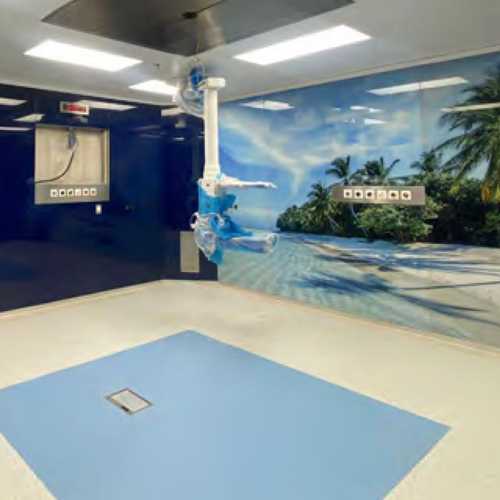
This includes modular operating rooms and other essential functional hospital spaces, designed to meet stringent international standards and modern surgical requirements.
In addition to the Indian market, we place significant emphasis on expanding our presence across Gulf countries (Middle East), Bangladesh, Nepal, Bhutan, and Myanmar, delivering world-class healthcare infrastructure solutions globally.
We are continuously expanding our product portfolio and customer base by offering specialized, purpose-built HPL, stainless steel (SS), and glass-based modular systems, along with other high-quality materials tailored for cleanroom and medical environments.
We collaborate with renowned architectural and design firms worldwide, ensuring that our solutions combine technical excellence, aesthetic appeal, and functional efficiency.
Our Vision
To revolutionize healthcare and pharmaceutical infrastructure through innovation, precision engineering, and globally compliant solutions.
Our Commitment
Quality, reliability, and customer satisfaction remain at the core of everything we deliver.
Early dedicated rooms for surgical procedures were called operating theatres because they were theatres, built in a gallery style for public observation. In the early 19th century, operations used to be advertised in newspapers and surgeons might get a round of applause at the end of the procedure from the public. It was
not unknown for an operation to be cancelled because public demand was such that a larger theatre had to be found.
The design of operation rooms and their ancillary spaces has responded over the years to changes in surgical needs and practice. All contents of the rooms were therefore made of materials that were easily washable, all angles were rounded, window frames were flush with the inner surface of walls.
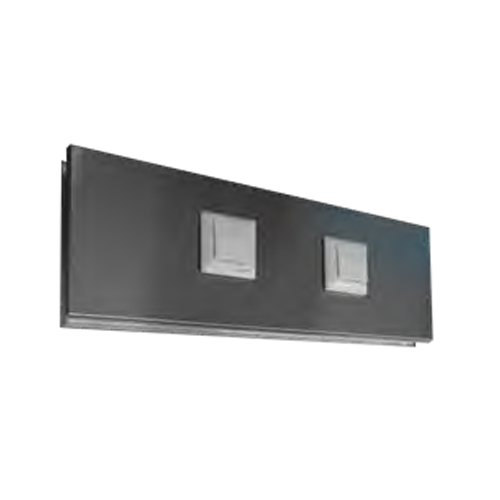
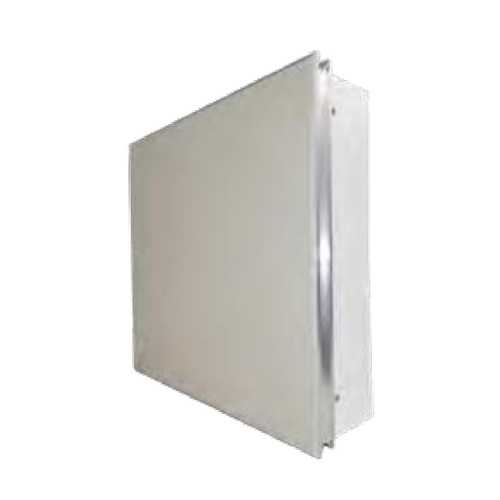
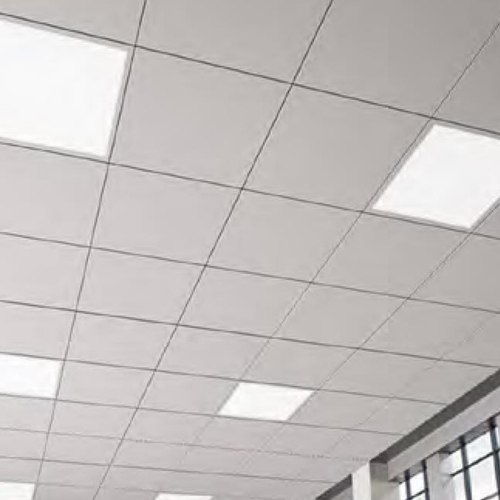
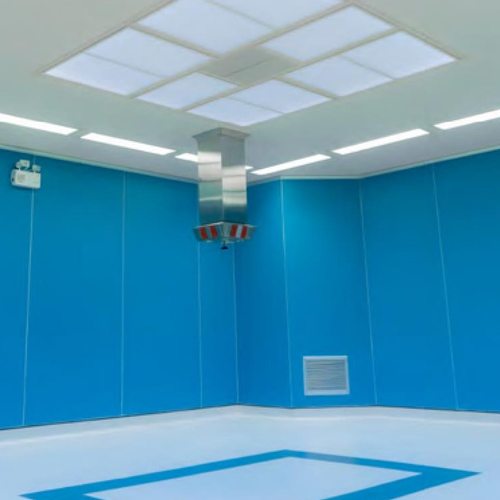
Minimum air change rate in the operating rooms is 20 air changes per hour. HEPA filters are responsible for the clean air that is
necessary for OR environment which are placed in the Laminar flow systems on the ceiling or individual HEPA modules which are usually placed in the ceiling or at the wall at maximum height due to a limited space in the technical zone. Ventilation system also ensures a positive air pressure which prevents air flow from the other areas to the OR. For positive air pressure, the sum of return, exhaust and leakage must be less than the supply.
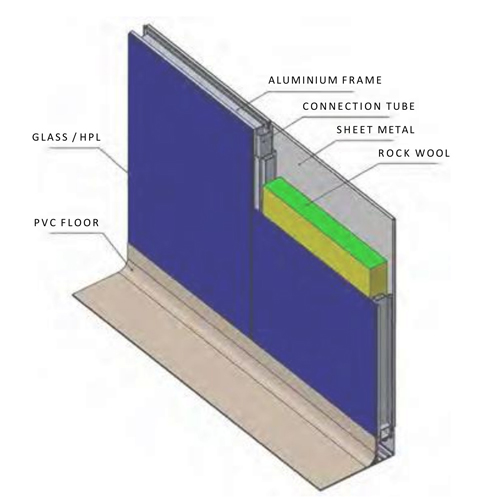
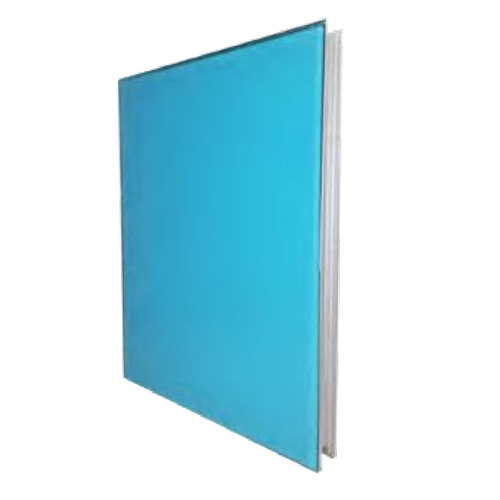
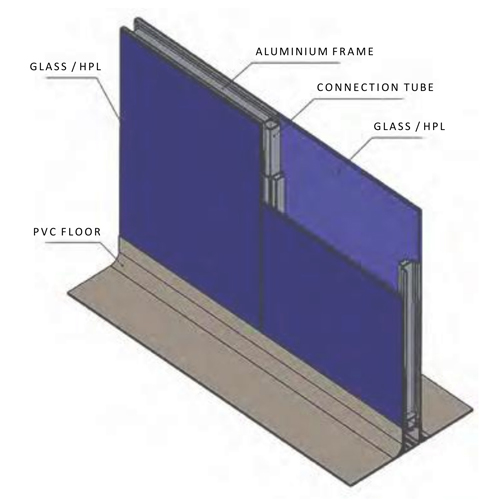




.jpg)
Enter your details to start WhatsApp chat